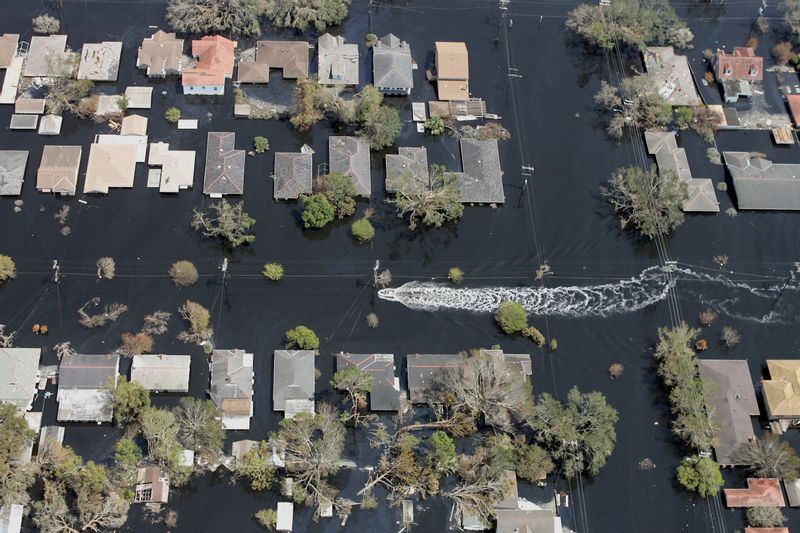
Be mindful as floodwaters do not respect the lines on a map. Floods can happen anytime of the year, anywhere there is precipitation. They cause anguish and destruction - physical, emotional, and financial. Especially when victims realize the damage is not covered by their homeowners’ policy. You do not need to live near a river or stream to be flooded. Floods result from storms, melting snow, hurricanes, water backup due to inadequate or overloaded drainage systems, and other causes.
The responsibility for reduction of flood losses is shared by all units of government -- local, state, federal – and the private sector. In order to fulfill this responsibility, land owners and/or professionals planning any “development” activity within the floodplain should have the knowledge and skills to plan, design, and construct their project in compliance with floodplain regulations.
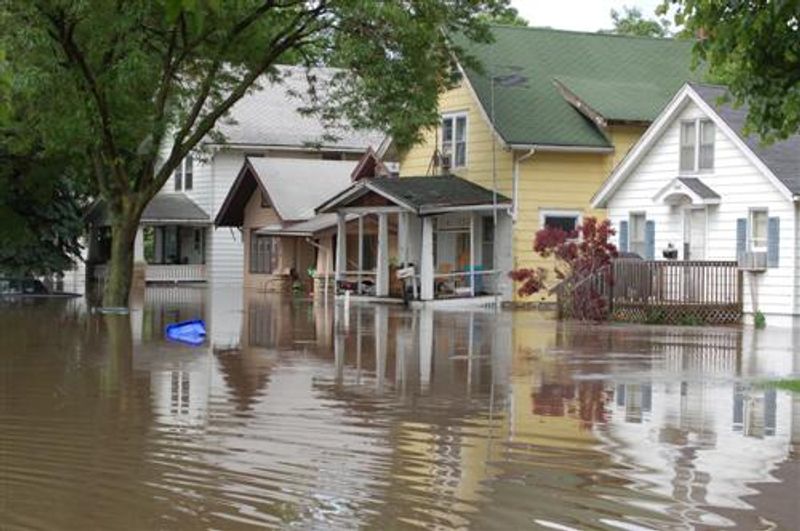
A Floodplain Development Permit is required for any disturbance within the floodplain prior to starting any development activity, including, but not limited to constructing a barn or shed, building a home, installing a road or driveway, or repairing or expanding an existing house or building. If your project is within the floodplain call or email the floodplain manager prior to starting your project. Make sure you have the proper permits.
Get your questions answered before the start of any development project.
Statesville currently does not charge a fee for floodplain development permits.
The National Flood Insurance Program (NFIP) was created by Congress to mitigate future flood losses through sound, community-enforced building and zoning ordinances. Such losses include those to lives, property, or the financial stability of a community. Nearly every flood prone area in North Carolina, including Statesville, is part of this program. Statesville became a participating community on September 28, 1979.
Because it is a part of the NFIP, Statesville can receive federal aid after the president declares a disaster. Statesville residents can also purchase federally backed flood insurance (whether or not their property is in a FEMA mapped floodplain). This coverage protects you even when a federal disaster isn’t declared. And it’s paid for by policy premiums ---not tax dollars.
In return, Statesville has to take steps to reduce local flooding risks. These include adopting and enforcing a floodplain management ordinance designed to reduce future flood risks to new construction in Special Flood Hazard Areas (SFHAs).
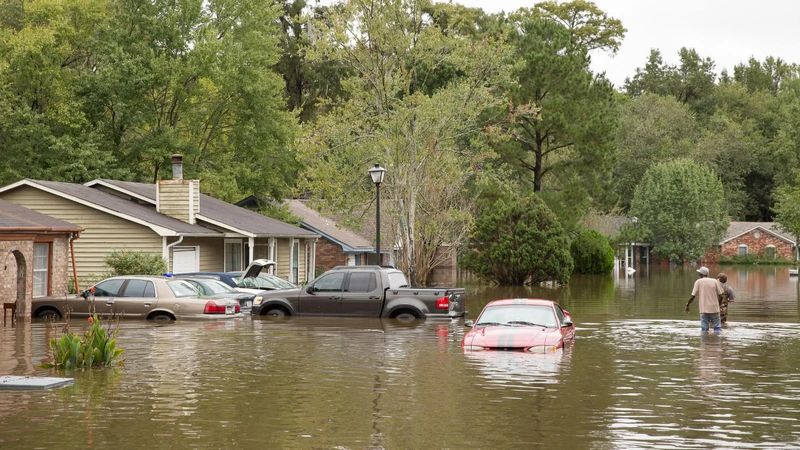
The Special Flood Hazard Area (SFHA) is a high-risk area defined as any land that would be inundated by a flood having a 1-percent chance of occurring in a given year (also referred to as the base flood). The high-risk-area standard constitutes a reasonable compromise between the need for building restrictions to minimize potential loss of life and property and the economic benefits to be derived from floodplain development. Development may take place within an SFHA, provided that development complies with local floodplain management ordinances, which must meet the minimum Federal requirements.
Standard home insurance policies do not cover flooding due to rising waters.
*Click on the appropriate link below for additional details
| Floodplain Development Ordinance | Appendix A, Article II, Part 2, Section 2.25 Flood Development Permit |
City of Statesville Floodplain Development Permit Application | |
An elevation certificate is required after the reference level is established. A final Finished Construction Elevation Certificate is required after construction is completed and prior to the Certificate of Occupancy is issuance. | |
NC NFIP Review of No-Rise Submittals | |
No-rise Certification and Review Request Checklist | |
Home page for flood.NC.gov | |
Link to the NC Association of Floodplain Managers Guide | |
City of Statesville Informational Floodplain Management Brochure | |
Frequently Asked Questions about Floodplains |