
Severe Weather Preparedness Week for North Carolina
March 1 – March 7, 2026
Severe Weather Preparedness Week in North Carolina is an annual opportunity to review important safety information and make sure you and your family are ready for severe weather. Each day this week highlights a different topic designed to help residents understand risks and take practical steps to stay safe. Preparedness is something we practice all year long. Taking time now to review safety procedures can make a critical difference when severe weather threatens our area.
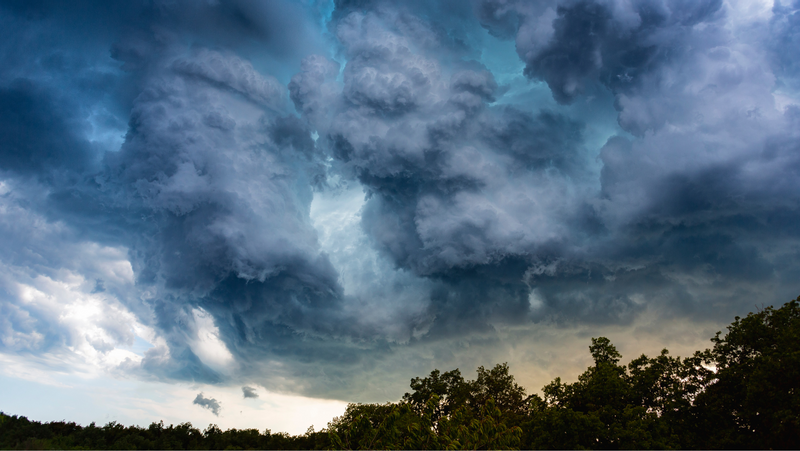
Sunday, March 1 – Severe Weather Preparedness Week Overview
Severe weather can occur in North Carolina during any season. From thunderstorms and tornadoes to flooding and damaging winds, being prepared means understanding potential hazards and knowing how to respond.
Preparedness Week serves as a reminder to:
- Review emergency plans.
- Check emergency supply kits.
- Stay informed about weather risks.
- Ensure you can receive weather alerts.
Taking small steps today can help protect lives and property throughout the year.
Monday, March 2 – Severe Thunderstorms and Tornadoes
Severe thunderstorms can produce damaging winds, large hail, heavy rainfall, and tornadoes. Tornadoes can form quickly and may occur with little warning.
Key safety reminders:
- Seek shelter immediately when a warning is issued.
- Move to a sturdy building and go to the lowest level.
- Stay away from windows.
- Interior rooms or hallways provide better protection.
- If outdoors or in a vehicle, seek sturdy shelter right away.
Understanding the difference between a watch and a warning is critical:
- A watch means conditions are favorable.
- A warning means severe weather is occurring or imminent.
Tuesday, March 3 – Receiving Severe Weather Alerts
Receiving timely weather alerts is essential to staying safe. Severe weather can develop rapidly, and warnings may be issued at any time of day or night.
Ways to receive alerts include:
- NOAA Weather Radio.
- Wireless Emergency Alerts on mobile devices.
- Local television and radio broadcasts.
- Trusted weather apps and notification systems.
It is important to have multiple ways to receive alerts, especially overnight when you may be asleep. Make sure alerts are enabled on your phone and devices.
Wednesday, March 4 – High Winds, Hail, and Tornadoes
High winds can cause significant damage by downing trees, power lines, and damaging structures. Large hail can damage vehicles, roofs, and windows. Tornadoes can produce destructive winds in concentrated areas.
Safety considerations include:
- Move indoors when severe weather approaches.
- Stay away from windows during high wind events.
- Protect vehicles when possible by parking in covered areas.
- Remain sheltered until the threat has passed.
Even storms that do not produce tornadoes can still cause dangerous conditions.
Thursday, March 5 – Lightning Safety
Lightning can strike far from the center of a storm. If you can hear thunder, you are close enough to be struck.
Lightning safety tips:
- When thunder roars, go indoors.
- Seek shelter in a substantial building or a hard-topped vehicle.
- Avoid open fields, tall trees, and bodies of water.
- Stay off corded phones and avoid plumbing and electrical appliances during storms.
- Wait at least 30 minutes after the last clap of thunder before going back outside.
Lightning safety should always be taken seriously, even during routine summer storms.
Friday, March 6 – Flash Flood Safety
Flash flooding can occur quickly, often within minutes or hours of heavy rainfall. Floodwaters can rise rapidly and become life-threatening.
Important reminders:
- Never drive through flooded roadways.
- Turn around if you encounter water covering the road.
- Do not walk through moving water.
- Be especially cautious at night when flooding is harder to see.
Just a small amount of moving water can sweep away vehicles and individuals. Flooding remains one of the most dangerous weather hazards.
Saturday, March 7 – Making a Plan
Having a plan in place before severe weather strikes is one of the most important preparedness steps.
Your severe weather plan should include:
- Identifying safe shelter locations at home, work, and school.
- Establishing communication plans with family members.
- Preparing an emergency supply kit.
- Knowing evacuation routes if flooding becomes a threat.
- Practicing your plan regularly.
Preparedness is not just for one week - it is something we commit to year-round.
Severe Weather Preparedness Week is a valuable reminder to review safety procedures and ensure we are ready for whatever weather may come our way. Taking time now to prepare helps protect you, your family, and our entire community.
"On Wednesday, March 4th at 9:30 AM, the National Weather Service in cooperation with local broadcasters will conduct a statewide tornado drill. The alarm test, which will come in the form of a Required Monthly Test, will activate the State Emergency Alert System and be carried by local radio broadcasters. Every school, business, and residence is encouraged to participate in this drill. It’s really easy: at 9:30 AM on Wednesday, take a few moments to practice your severe weather safety plan, and seek shelter for a few minutes as if a tornado was headed your way. Practicing this when the weather is good will allow you to react more quickly when the weather turns bad." Read more from the National Weather Service here.